
Volume 2

Dear Friends
As autumn tipped into winter, South Africa carried both promise and pressure in its seasonal change. Over the past three months Parliament has sparred over a national budget still waiting to be passed, while households everywhere have felt the squeeze of slower growth and rising food costs. Nature, also, reminded us of our shared precarity: May was the second warmest on record, only to be followed by fierce storms in June that led to the Eastern Cape being declared a national disaster zone, fresh evidence that the climate crisis is already reshaping daily life.
The change of season has also revealed new seams of possibility. Campaigns advancing “just” climate and social policy outcomes are gaining momentum. Bold ideas for tackling unsustainable debt have found their way onto influential desks, and voices advocating for an economy that places people before profit have grown both louder and clearer. Through it all, the New Economy Hub and our partners have kept one conviction front-and-centre: economy is care. Every debate—whether on tax, trade, finance, or climate—must ultimately answer a singular question: does this choice nurture collective well-being and protect the planet that sustains us?
Below you’ll find a glimpse of how, in the face of uncertainty and opportunity alike, we, our friends and partners work to answer that question with an unwavering “yes.”
Sekoetlane Phamodi
Updates
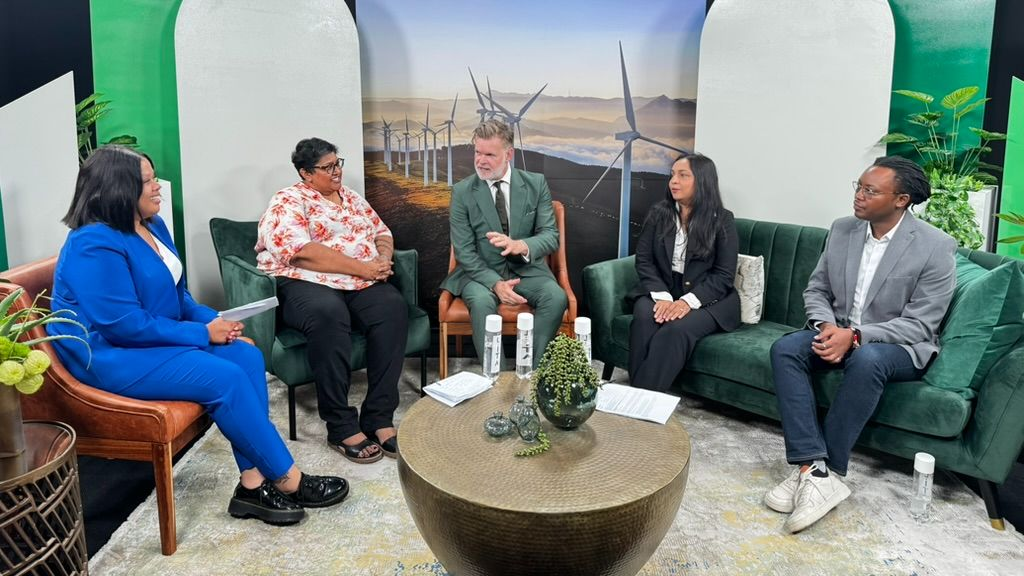
Nedbank Sustainability Thought Leadership Series
Our Program Director, Sekoetlane Phamodi, joined representatives of the Cambridge Institute for Sustainable Leadership (CISL), National Business Initiative (NBI) and World Wide Fund for Nature, South Africa in Nedbank’s staff-wide Sustainability Thought-Leadership Series. The focus of this edition in the series explored how the financial services sector can support a nature-positive economy and a just transition, as well as to reinforce the centrality of nature in the investment choices and business development of the bank and their peers in the sector. Nedbank is among the first banks in Africa to explicitly codify nature and climate position statements which govern how they do their business. According to Just Share, Nedbank sets the most ambitious climate and fossil fuel divestment targets of the five biggest banks in South Africa.

Foundations20 Climate Solutions Forum
We participated in the Foundations20 Climate Solutions Forum which was hosted at the Kirstenbosch National Botanical Gardens in Cape Town. The F20 is an unofficial engagement group of the G20 which brings together international philanthropies with public and private sector leaders, civil society, think-tanks and innovators to cocreate the strategies philanthropies should invest in to solve some of the biggest problems of our time. This year, the F20 is co-chaired by our friends, the Democracy Works Foundation who curated the Forum to bring a focus to the social, political and public finance opportunities that can be scaled to build trust, transformation and solidarity in the urgent climate transitions unfolding across the world.
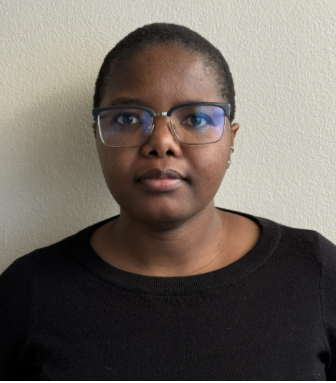
NEH welcomes Asandiswa Dazana
We’re delighted to have Asandiswa join us as Programme Officer for Partnerships & Learning. With a BSocSci Hons (Economics, Politics & International Studies) from Rhodes and postgraduate studies under way, she brings a stellar track-record in social-impact management, MEL, and stakeholder coordination across philanthropy, education, health, and environment. Asandiswa will deepen our partner learning loops to keep equity at the centre of our investments.
Partners in Action
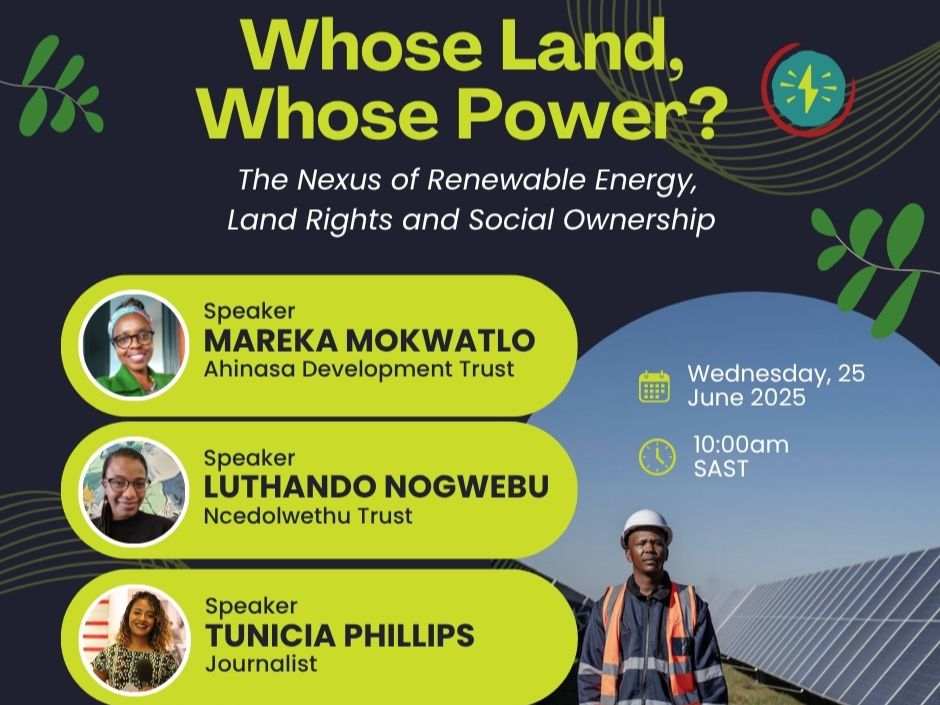
“Whose Land, Whose Power?”
The Oxpeckers Centre for Investigative Enviromental Journalism presented a webinar on community shareholding and land rights in the deployment of renewable energy power plants in South Africa. The webinar brought together investigative journalists, and the community owners and beneficiaries of shareholding trusts in the Eastern Cape and Free State’s wind and solar farms to discuss how they navigate local community ownership, accountability and the fair and equitable distribution of benefits from these large projects. The webinar forms part of Oxpcekrs’ #PowerTracker project—the open tool that maps who really owns South Africa’s renewable-energy projects.
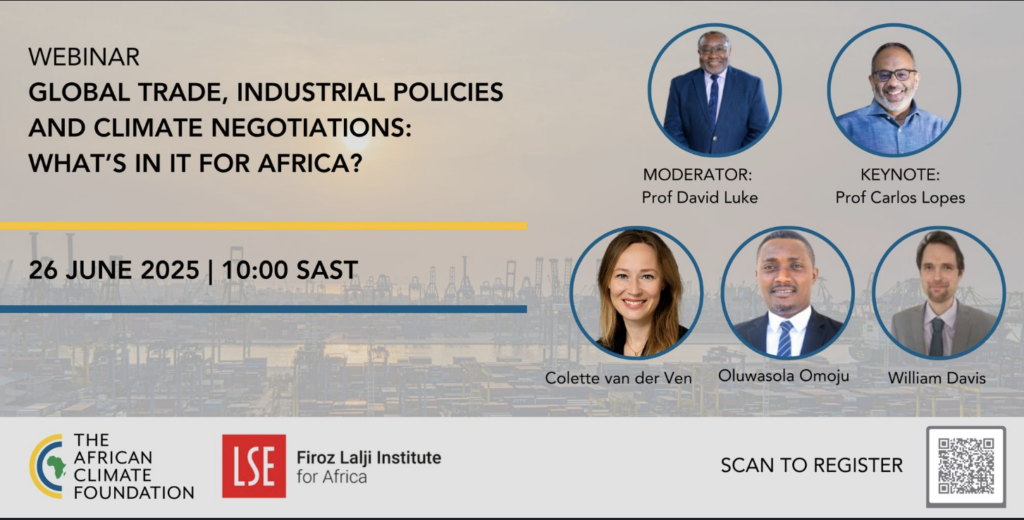
Trade, industry & climate at a crossroads
The African Climate Foundation and the LSE Firoz Lalji Institute for Africa co-hosted a timely dialogue on the shifting intersections of global trade, industrial policy and climate negotiations. The event marked the launch of the Briefs on Trade and Climate Sustainability 2025—a new collection of African-led insights exploring how trade rules and industrial strategies can support inclusive, climate-resilient development across the continent. Their takeaway: African industrial policy must harness new green-trade rules while defending developmental space for jobs and value-addition at home.

Lessons in Overcoming Barriers in Climate Justice Advocacy
SECTION27 convened a roundtable on Lessons in Overcoming Barriers in Climate Justice Advocacy which brought together 17 participants and organisations working at the intersections of climate change and the attainment of education, health, spatial and land justice in South Africa. These community frontline activists, lawyers, researchers, urban planners and campaigners highlighted the pressing need to make the linkages between their socio-economic justice priorities and climate change more apparent in how they approach their advocacy and campaigns. Participants further identified the enablement of local data collection and mapping of climate risks and real impacts on socio-economic rights as one of the immediate areas where this gap could be bridged to start building local evidence supporting grounded and community-led advocacy for ambitious climate action by national and sub-national government actors in South Africa. The roundtable deepens SECTION27’s 2024 report mapping the risks climate change poses to human rights.
Power Moves
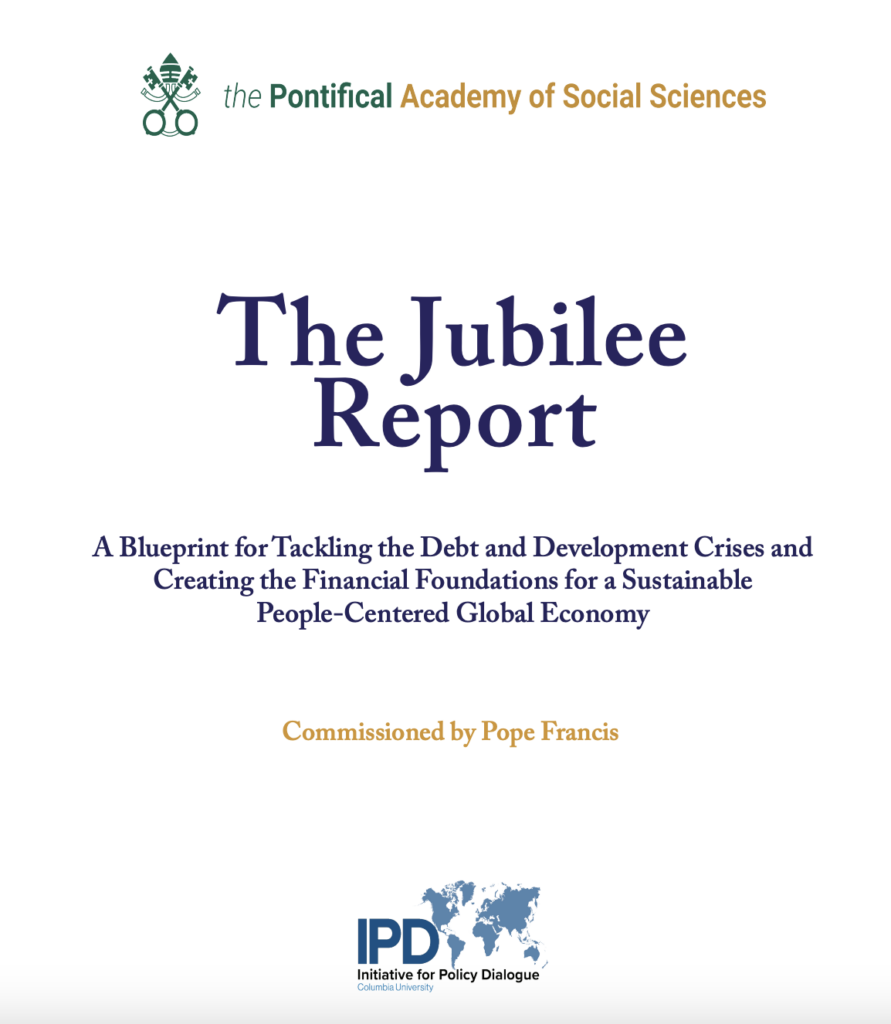
The Jubilee Report charts a path to debt justice
A Papal-appointed commission led by Nobel laureate Joseph Stiglitz has launched The Jubilee Report, urging debt cancellation, fair insolvency rules, and global taxes on excess profits—stating no country thrives when bondholders come before schools and clinics. The report was covered in leading South African media including BusinessDay, as well as in deep-dive talk-radio conversations with Jubilee Commission members and local economists on SAfm, PowerFM and KayaFM.

South Africa adopts the Renewable Energy Masterplan & Critical Minerals and Metals Strategy
In May, Cabinet adopted the South African Renewable Energy Masterplan (SAREM), linking clean energy rollouts to local manufacturing, skills development, and jobs. SAREM aims to ensure the Just Transition delivers climate action alongside economic justice for workers, industries, and communities. Cabinet also adopted the Critical Minerals and Metals Strategy which, notably, designates coal among South Africa’s high-criticality minerals and metals. Our 2024 policy briefs on South Africa’s new climate climate law and electricity sector reform frameworks set out the context in which the SAREM and Critical Minerals and Metals Strategy will be implemented.
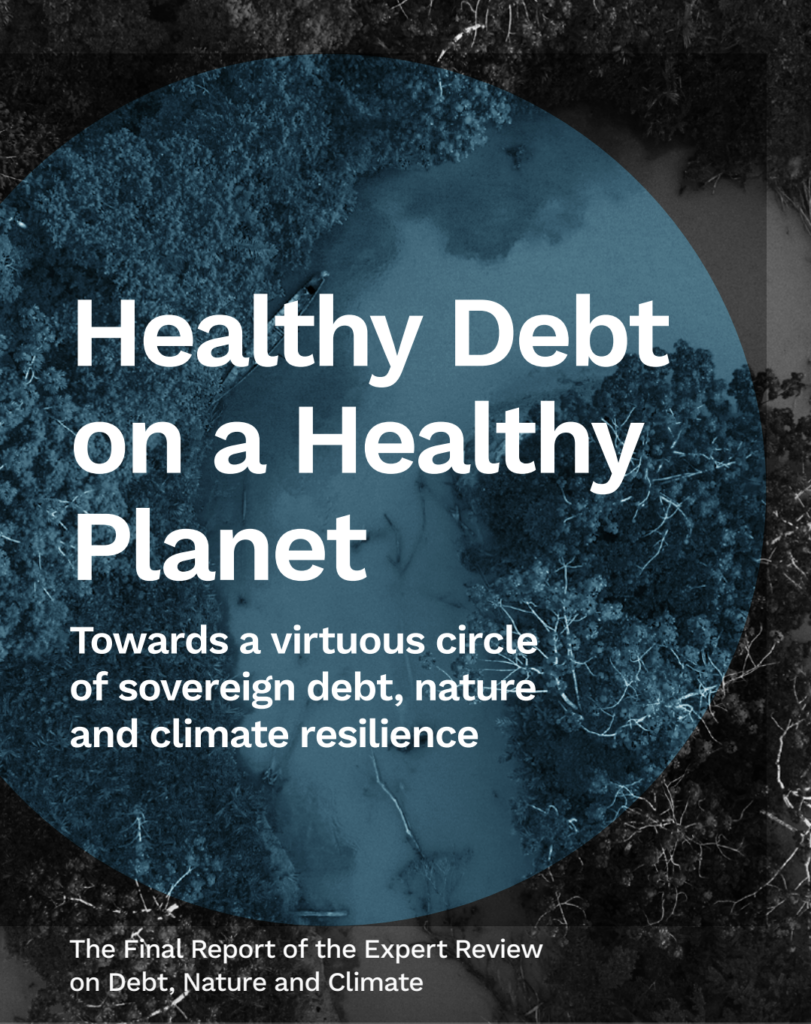
Expert Review on Debt, Nature and Climate sets out climate-positive proposals for debt-relief
At the April 2025 IMF–World Bank Spring Meetings in Washington, an independent expert group co-chaired by Vera Songwe and Moritz Kraemer tabled their final report on how to embed climate and nature goals into debt-relief programs. The report not only makes the case for why debt, biodiversity loss, and climate shocks must be tackled together, but also offers some proposals as to how. The Expert Review on Debt, Nature and Climate is a joint initiative of the governments of Colombia, Kenya, France and Germany.
Copyright (C) 2025 New Economy Hub. All rights reserved.
Our mailing address is:
hello@neweconomyhub.org
Want to change how you receive these emails?
You can update your preferences or unsubscribe